Golf may look like a leisurely sport, but anyone who plays regularly knows the truth: it’s a powerful, repetitive, full-body motion. And for many golfers, the shoulders and elbows take the brunt of that strain. Whether you’re a seasoned competitor or an active retiree hitting the links on weekends, protecting these joints is key to staying in the game.
This guide answers common questions about shoulder and elbow injuries in golf and how to prevent them.
Why Do Shoulder and Elbow Injuries Happen in Golf?
The golf swing is a complex, high-speed movement that puts significant stress on joints, tendons, and muscles, especially in the lead arm (for right-handed golfers, that’s the left arm). Two of the most common injuries include:
- Golf shoulder: Often related to rotator cuff tendonitis, impingement, or even labral tears.
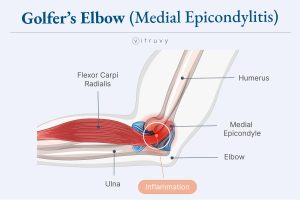
- Golfer’s elbow: Medial epicondylitis, caused by inflammation where tendons attach to the inner side of the elbow.
Overuse, poor swing mechanics, limited mobility, or muscle imbalances all contribute to these injuries.
Common Causes
- Repetitive swinging
- Lack of shoulder flexibility or core strength
- Gripping the club too tightly
- Poor warm-up routines
Who Is Most at Risk?
Injuries are most common among:
- Weekend warriors who play without regular conditioning
- Retired adults with decreased mobility or previous joint issues
- Athletes over 50 experiencing natural wear and tear from years of activity
How Can I Prevent Shoulder and Elbow Injuries?
Prevention starts before you tee off. Here are a few key practices to keep in mind:
- Ease Into Movement
Start every workout or activity with a light warm-up. Increasing blood flow gradually helps prepare your muscles and tendons for action.
- Master the Basics
Whether you’re lifting weights or swinging a racquet, using proper form is key. Good technique reduces strain and lowers your risk of injury.
- Build Up Strength Where It Counts
Strengthening and stretching your forearm muscles can help stabilize your elbow and ward off overuse issues.
- Progress with Intention
Ramping up too quickly can do more harm than good. Increase activity levels slowly—especially with repetitive arm movements—to give your body time to adapt.
Talk to your doctor or physical therapist about which exercises will best help you meet your goals. The American Academy of Orthopaedic Surgeons also provides educational information.
What If I’m Already Feeling Pain?
If you’re feeling persistent pain in your shoulder or elbow:
- Don’t play through it. This can worsen an injury.
- Take a free orthopedic assessment. Online tools like Vitruvy offer quick, clinician-developed assessments to help you pinpoint the problem and schedule a same-day consult with a vetted specialist.
Getting an accurate diagnosis early can help avoid long-term damage and may prevent the need for more invasive golf elbow treatments.
The Bottom Line
You don’t have to choose between staying active and staying pain-free. With the right mechanics, conditioning, and support, you can keep your swing—and your shoulders and elbows—strong for years to come.
Ready to take control of your game and your health?
Start with a shoulder or elbow assessment at Vitruvy
Get matched to the right specialist and book your consultation in minutes.